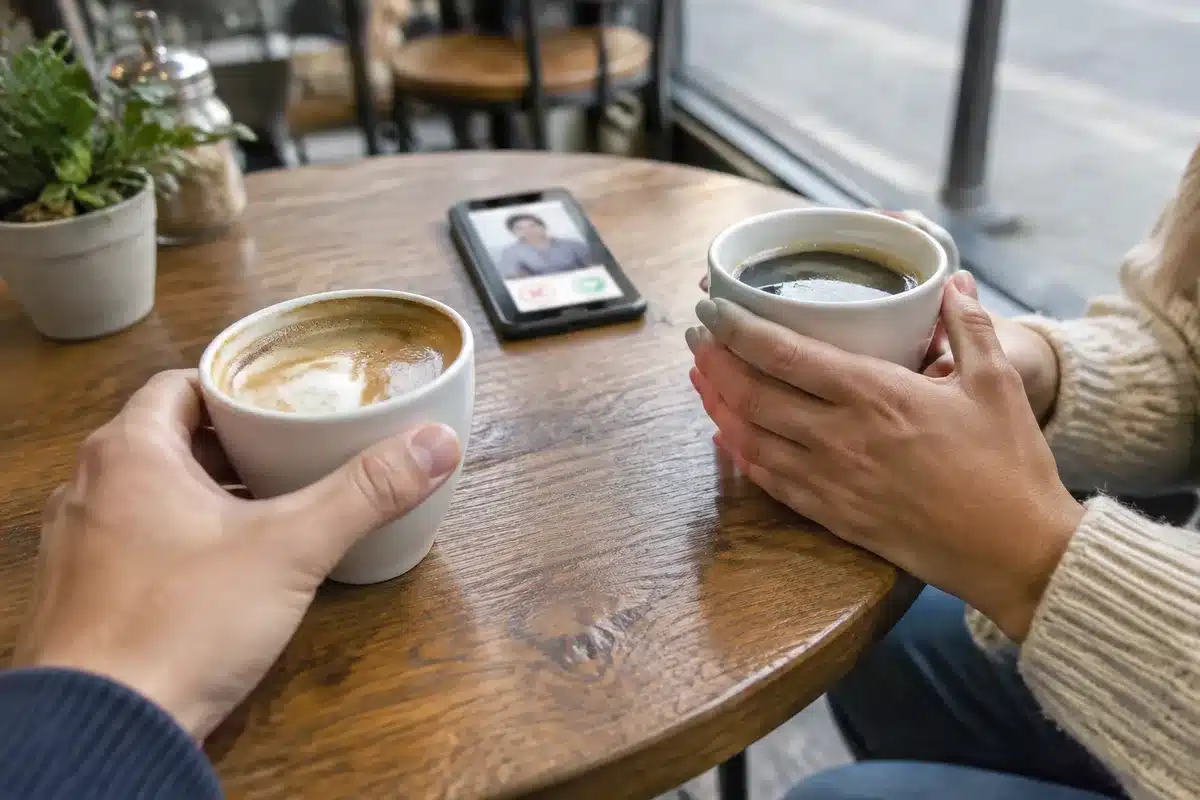
According to this clinician, people tend to fall in love when they’re going through a personal “crisis.”
NASA issues chilling warning: life on Earth won’t be possible after this date
This bizarre French customer habit is driving shop owners crazy
We can fall in love at any moment, often when we least expect it. Why does that happen? Psychotherapist Nilda Chiaraviglio suggests it’s not only chance or fate at work. Romantic feelings are more likely to surface during times of doubt, vulnerability, or personal questioning.
In a conversation on Marco Antonio Regil’s podcast, she made a striking point: falling in love often occurs when someone is at a low point. Her view is that people who are already content don’t “fall in love” in the dramatic sense — they simply love. She also describes the initial rush as biochemical. But she asks an important question: who are we actually falling for? Often it’s the best version of ourselves reflected through another person’s eyes. Encountering someone new can suddenly make us feel bolder, happier, more alive. Chiaraviglio notes this kind of emotional surge tends to appear especially at two stages of life: adolescence and around the age of 40 — times when we typically reevaluate identity, choices, and the future. She likens turning 40 to “a second adolescence.” After years of building a life — perhaps with a partner, children, a home, and a career — people sometimes wonder, “Do I want to live like this for the next decade?” In moments of uncertainty, a fresh connection can feel like a reclaimed spark.
“I’m not falling for the person — I’m falling for an idea”
But it’s important not to mistake that exhilaration for lasting love. Chiaraviglio warns that when we “fall,” we frequently idealize the other person. We don’t necessarily fall for who they actually are; we fall for an idea, a fantasy, or the expectations we project onto them. In other words, we place our wishes and unmet desires onto someone else without truly knowing them. The same dynamic can happen when reconnecting with a teenage love years later: it’s easy to conflate the person with the memory and nostalgia of who they were at 18. She advises against making major life decisions based solely on this passionate surge. Strong attraction and good chemistry do not guarantee the two people are compatible enough to build a shared life and be truly happy together.
Moreover, that intense, all-consuming state usually fades. Over time, traits in the other person that were always present become visible; it’s not that the feelings vanish so much as that reality begins to replace the idealized image. For Chiaraviglio, this is where falling in love and loving diverge. Love, she says, is an idea, but life is made up of behaviors and actions. A healthy couple is one that shares mutual respect, keeps commitments, has compatible plans, and follows through with concrete acts in daily life.
For her, losing the heady passion of the early days isn’t necessarily alarming. With age and greater self-awareness, people can learn to love more intentionally — without putting their partner on a pedestal or expecting them to fill every gap. That, she argues, is what she means when she says that happy people don’t fall in love; they love. Loving someone as they truly are, not as we imagine them to be, is ultimately more valuable than the excitement of the first flush of romance.
Similar Posts
- 5 Things You Should Never Sacrifice for Love – Find Out Now!
- How Many Times Will You Truly Fall in Love? Science Reveals All!
- Are You Having Enough Sex? Essential Insights for Couples
- 4 Signs You’re Dating Someone Who’ll Never Love You Back
- What Happens in Your Brain at 50 When in Love: Priorities Shift, Love Deepens

Nora Caldwell brings over a decade of experience in entertainment journalism to the Belles and Gals team. With a background in celebrity interviews and TV critiques, Avery ensures that every story we publish is engaging and accurate. Passionate about pop culture, they lead our editorial team with creativity and precision.