Training a Puppy Correctly: Common Missteps and Effective Strategies
Training a puppy is crucial but it can be a challenge, especially for those who aren’t experts. A specialized trainer emphasizes a frequent mistake: simply saying “no” is ineffective. What should you do instead?
He thought he was rescuing a sheep—but it turned out to be something else
This bizarre French customer habit is driving shop owners crazy
The Responsibility of Dog Ownership
Owning a dog comes with the duty to train it. You need to teach your dog house manners, to come when called, and to interact appropriately with both humans and other animals. This is an ongoing task that can be daunting, particularly if you’re not well-informed. A common error in both puppy and adult dog training is the misuse of the word “no”.
When a puppy jumps up to greet someone, chews on the couch legs, or snatches some leftover food, many owners react by scolding the dog in a loud voice and firmly saying “no”. However, Certified Dog Trainer Kim Paciotti, who specializes in puppy training, warns that this isn’t a good approach. “This leads to what trainers call ‘learned helplessness'”, she explains on Instagram. She adds that studies have shown that punishment-based training, including verbal reprimands, tends to be ineffective and can increase fear and stress in puppies.
While saying “no” might seem harmless, this verbal correction doesn’t achieve the desired result. “When you shout ‘No!’, the puppy may stop momentarily (maybe). But the puppy has no idea what to do instead. The behavior repeats because it hasn’t learned an alternative. This creates confusion, not clarity”, Paciotti explains. Additionally, constantly hearing “no” can discourage a puppy from trying new things, which is crucial for its development, leading to withdrawal and inhibition.
What to Do Instead of Saying “No”
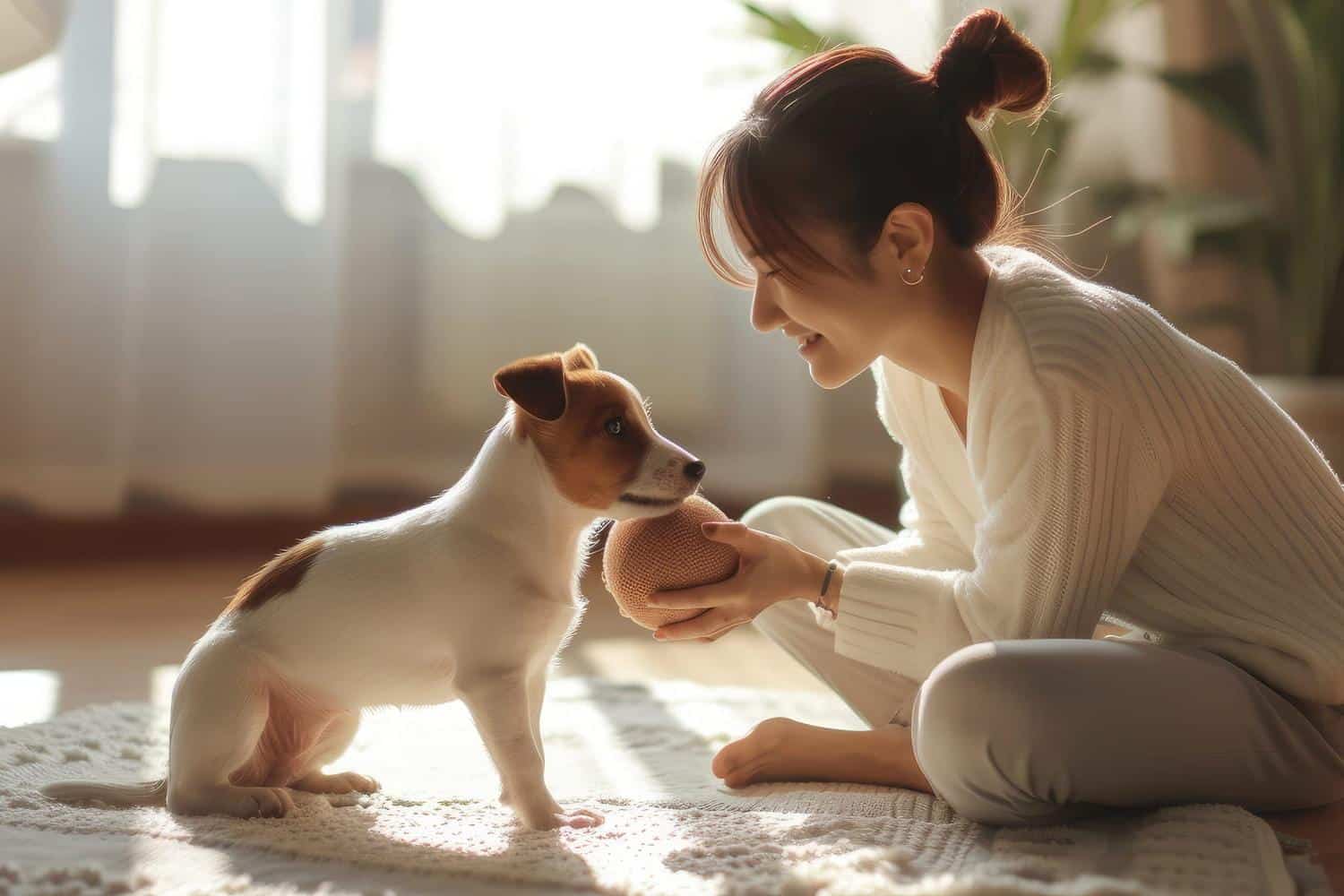
Instead of saying no, Paciotti advises making a different sound that lets the puppy know it shouldn’t continue its current behavior (such as “uh-oh”) while maintaining a calm tone. Immediately afterward, show the puppy the correct behavior and praise it when it complies, effectively ending the unwanted behavior without inducing fear.
Paciotti provides several practical examples: if the puppy chews on a shoe, give it a toy instead; if it climbs on the couch, show it where it’s allowed to lie down; if it pulls on its leash, reward it for walking nicely behind you. Naturally, this approach requires time and might need several repetitions before the puppy fully grasps the new behavior. It takes patience, but the payoff is a well-trained, happy puppy.
Training a puppy effectively goes beyond simple commands; it involves understanding and shaping behaviors in a way that supports the puppy’s development and builds a positive relationship between pet and owner.
Similar Posts
- Dog Trainer Reveals Top Home Exercises to Cure Your Dog’s Travel Sickness!
- Stop Your Dog From Ignoring You: Common Mistakes and How to Fix Them
- Dog Trainer’s Top Tip: Protect Your Pet from Fireworks Before New Year’s Eve!
- She got a German Shepherd puppy — and was sobbing at the shelter the next day
- Parents on Edge: This Psychologist-Approved Tip Could Change Everything!

Felix Marlowe manages Belles and Gals’ vibrant social media platforms. With expertise in social engagement and viral marketing, Felix creates content that sparks conversation and keeps followers coming back for more. From celebrity news to trending challenges, Felix makes sure our social media stays at the forefront of pop culture.