He thought he was rescuing a sheep—but it turned out to be something else
This bizarre French customer habit is driving shop owners crazy
You’re going to breathe.
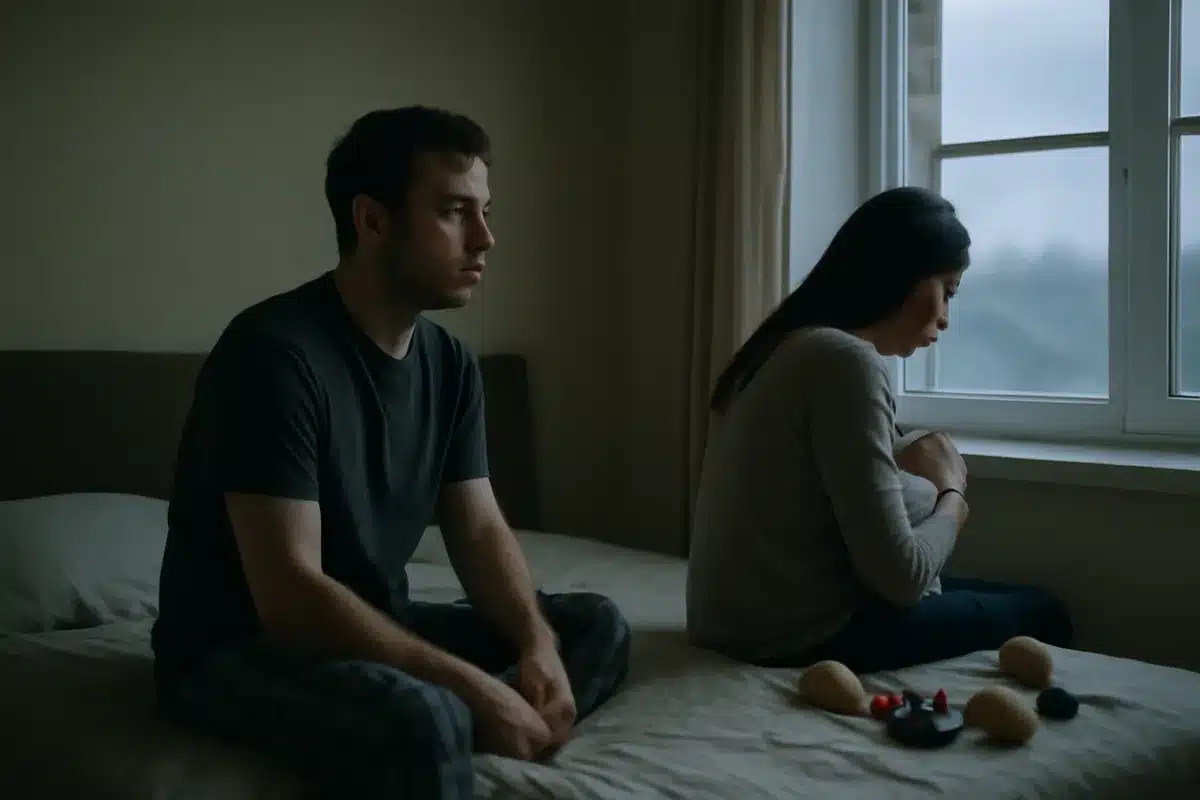
What should you do when your partner is too clingy? The first thing to understand is that it’s possible to overcome this relationship challenge. A suffocating partner often suffers from an attachment disorder, which typically stems from insecurities such as fear of rejection or abandonment and usually has its roots in childhood. Factors like a divorce, absentee parents, overbearing or privacy-invasive parents, or conditional parental love can lead to traumas that affect adult relationships. According to Sabrina Leroy, a sexologist and couple’s therapist specializing in attachment disorders, this manifests as behaviors that restrict personal space and autonomy. Examples include excessive jealousy, a need for merger, overly controlling the other’s choices (such as clothing and food), or intrusive behavior. Over time, these actions can weaken the relationship.
Sabrina Leroy recalls a client who loved to run on Sunday mornings—her time alone, her breath of fresh air. However, her partner insisted on joining her every time. “The other person feels they’ll be forgotten if you have fun without them,” she explains. For the therapist, it’s crucial to set respectful boundaries that preserve each person’s private space. She recommends establishing a shared calendar where individual activities are noted: “The idea isn’t to ask for permission but to keep each other informed. This transparency is comforting.” It doesn’t hurt to reassure your partner by sending a message: “If our partner is anxious about us going out alone, calling them on the way back can help maintain a connection, showing that we are thinking of them and consider their worries.”
Promoting your partner’s independence is also vital for reducing emotional dependency and balancing the relationship. “Encourage them to spend time with friends or pursue their hobbies, especially when you’re not around. By showing that you’re happy they are taking time for themselves, you reassure them that their independence doesn’t threaten the love you have for each other.” Communication is always key in love: “It’s essential to share your feelings and needs openly and kindly,” Sabrina Leroy confirms. The choice of words is critical: an aggressive or blaming tone can retrigger certain fears. “Telling someone with anxious attachment that you can’t stand them anymore can reactivate their insecurities and worsen their problematic behavior.”
To ensure the message is received, the therapist suggests using specific examples of words or behaviors that have made you uncomfortable: “This could be ‘I didn’t like it when you entered the bathroom without knocking’ or ‘I’m hurt when you criticize my best friend.'” If the partner does not change despite joint efforts, it may be beneficial to seek therapy. “For the person feeling smothered, this can initially help identify the problematic behaviors and feel validated. That alone can be relieving.” Therapeutic work can provide other solutions and strategies to avoid suffering in the situation. In a toxic relationship, professional support is crucial for successfully breaking free: “The psychologist will highlight the pain and provide the necessary resources to make the decision to leave.”
Similar Posts
- 3 Telltale Signs of a Trust-Based Relationship: How Healthy Is Yours?
- Stop Jealousy in Its Tracks: What to Say to End Unfounded Worries!
- How to Smoothly Leave Your Husband? Essential Tips Revealed!
- How to Overcome a Love Depression: Essential Tips & Tricks!
- Is Your Husband a Penny Pincher? Here’s What You Can Do!

Nora Caldwell brings over a decade of experience in entertainment journalism to the Belles and Gals team. With a background in celebrity interviews and TV critiques, Avery ensures that every story we publish is engaging and accurate. Passionate about pop culture, they lead our editorial team with creativity and precision.