He thought he was rescuing a sheep—but it turned out to be something else
This bizarre French customer habit is driving shop owners crazy
It’s sometimes surprising to see the type of relationship that forms between a parent and a child who, at first glance, appears quite ordinary. However, these parents were once children themselves, with siblings, and their relationships were not always harmonious.
It is common to mention the jealousy of an only child towards a new baby who brings joy and admiration from adults, but parents have long been working to defuse this resentment well before the new sibling arrives. The now older sibling understands that showing any negative feelings would severely damage their image. They do not want to appear selfish, mean, or heartless, so they put on a brave face and suppress their painful anger.
The situation worsens when the younger sibling grows into a beautiful child adorned with all virtues, and the older child’s carefully suppressed resentment turns into a torment that does not leave them in peace. There are various situations that can legitimately trigger jealousy in someone who feels unfairly treated by a particularly cruel fate: they are less attractive, less brilliant, less charming, and it is never them who attracts attention. Outsiders barely acknowledge them, regardless of their position in the sibling order.
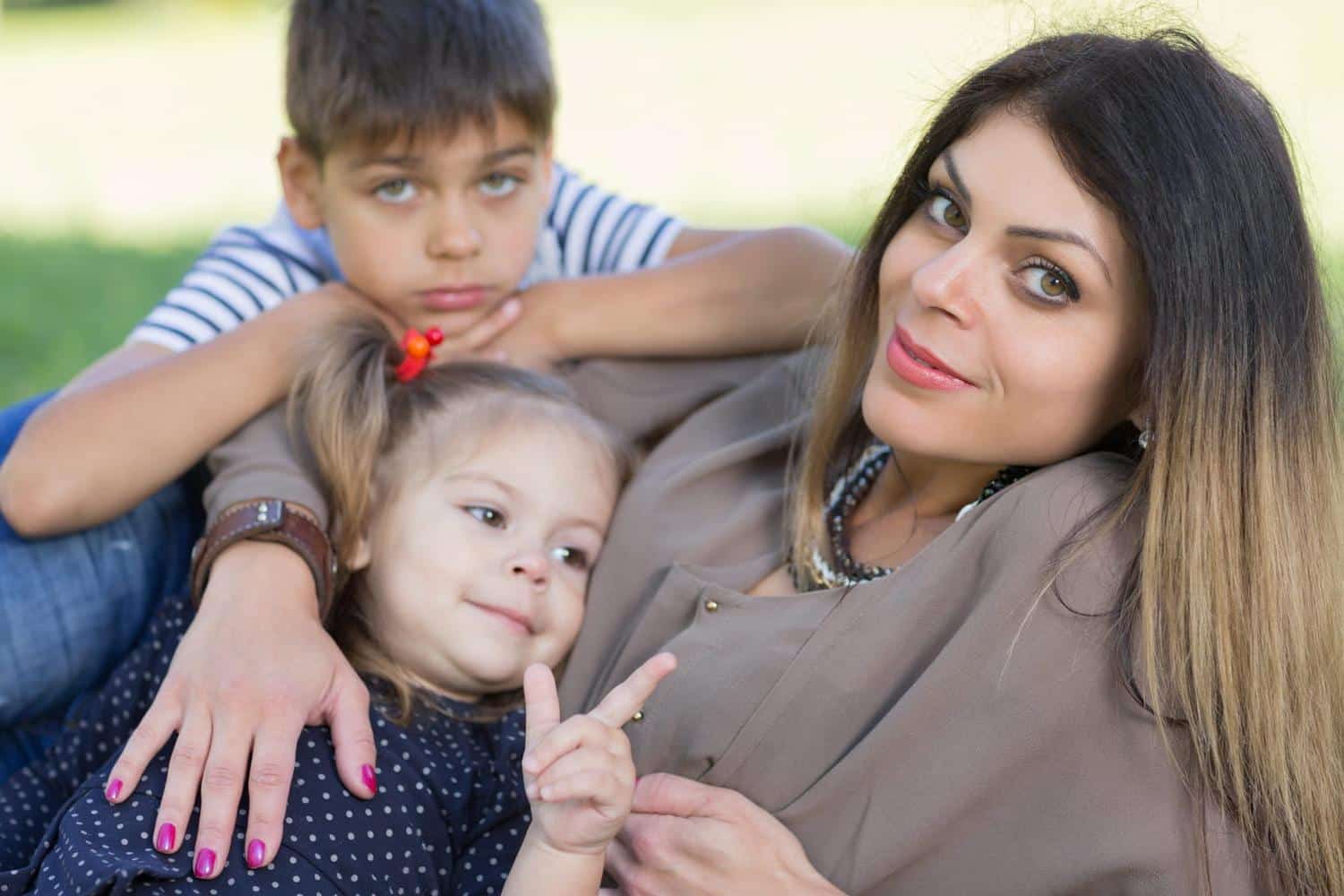
This anger, long accumulated, finally finds an outlet when the disadvantaged child becomes an adult and sees in their own children the reflection of the siblings who overshadowed them. This time, however, they hold the power, and their hidden anger can finally be expressed. A mother who spent her childhood and especially her adolescence overshadowed by a dazzling sister will see in her own beautiful daughter the image of the sister she envied. She will be relentless in her criticism, sparing in her praise, and always in front of witnesses. This beautiful little girl is the reincarnation of the beauty that eclipsed her mother, and her mother’s torment will thus never end.
The beautiful daughter senses her mother’s discomfort but does not understand it and feels incapable of soothing it. She suffers too much to try to unravel the latent aggression that prevents her from being herself and flourishing. She accepts her mother as she is, but her heart aches when she sees her mother doting on her brother, indulging his every whim. Sometimes her sisters are no better off; they too receive merciless criticism which they no longer even attempt to justify, other than by their mother’s difficult nature. It would never occur to them, with their childlike reasoning, that a mother could be deeply jealous of her own children.
Moreover, this mother, who is also attentive to the well-being of her children, would vigorously protest if someone suggested that she might also feel any jealousy towards her daughters, or even just one. Various scenarios are possible, leading to reactions that are often subdued, occasionally openly critical. A mother whose own childhood was troubled might identify with the daughter who matches her position in the sibling order. She might excessively pamper and protect the eldest, still haunted by the bitter memories of the sacrifices she was forced to make under the foolish pretext that she was the oldest and therefore the most sensible. This moralizing was preached to her at an age that her younger siblings had long since surpassed.
Where is the consistency she was constantly lectured about when she tried to rebel? Now an adult and master of her own life, she can establish a more satisfying order, and it is the younger siblings who pay the price. Sometimes it is even uncles and aunts settling scores through the nieces and nephews, favoring, with a surprising lack of fairness, the one who occupies their place in the sibling order.
This invisible film passes from generation to generation with sociological changes: an only child cannot embody all configurations, but can still represent the old torment of their mother through their physical appearance, character, and sometimes, through the love shown to them by someone who, in their childhood and through no fault of their own, was the cause of much suffering and frustration. A maternal aunt, especially if childless, might see in a niece or nephew the child she once was and thus understand better than her own mother did. In this tangle of repressed, sometimes intense feelings, the child at the end of the line receives all these ancient echoes, muddled by the experiences of all involved, feeling lost amidst gaps that make their path uncertain, without gaining any mastery over a complex network of emotions never directly addressed.
No one will articulate the true story: it is the inner child, still hurting, that continues to dictate harmful behaviors without considering the wounds it causes. The history continues, not exactly with the same setup or the same protagonists, the roles have changed, but the intense sense of painful frustration persists and can finally be expressed against a defenseless being over whom one has complete power. There will, of course, be justifications, protests, but the imprint is too deep to escape, and this mother who can finally take her revenge sees no reason to seek within herself the reasons for her long-suppressed anger.
It then depends on the inner strength of the child, unable to understand the reasons for this continual wrath, who may find within themselves and from benevolent individuals around them the ability to build a life, nonetheless, without waiting for recognition for their efforts, qualities, or achievements. Their desire to live, move forward, and realize their dreams prevails, pushing aside the bitterness and feelings of abandonment experienced for so long. They do not want to be hindered by stories that do not concern them, but sometimes, they need help in this struggle, especially to better understand all the elements that have contributed to placing them in this discomfort. Intellectual gifts serve as an effective tool to carve their path, despite everything.
It goes without saying that some fathers also carry repressed sufferings and injustices that have left deep marks, the cost of which their children bear. Still, there remains a mark of the almost instinctive love of parents for their child, which has allowed them to find the necessary strength and not to give up too quickly in the face of life’s challenges. They have especially learned that it is better to rely on oneself to pave one’s way.
ADVICE: The circle of acquaintances can sometimes be vigilant and try to guide the failing parent on a path that would allow them to understand themselves, which involves questioning the entire family structure with the courage and strength it requires. It is crucial that the child affected by this past has the right framework to free themselves from all the misconceptions that have weighed on their development.
Similar Posts
- Stressed Kids? This Nanny’s Simple Solution Will Transform Parenting!
- Teach Your Child Sharing: Essential Tips for Parents!
- Bullied Child Forced to Eat Worms from a Trash Can, Mother Reveals
- Heartbroken Parents Lose Contact After Kids Marry: Their Emotional Plea
- Replaced Your Kid’s Goldfish Secretly? Should You Tell Them the Truth?

Felix Marlowe manages Belles and Gals’ vibrant social media platforms. With expertise in social engagement and viral marketing, Felix creates content that sparks conversation and keeps followers coming back for more. From celebrity news to trending challenges, Felix makes sure our social media stays at the forefront of pop culture.