NASA issues chilling warning: life on Earth won’t be possible after this date
This bizarre French customer habit is driving shop owners crazy
According to Spanish psychologist Silvia Congost, intimacy is one of the three fundamental pillars that support a romantic partnership.
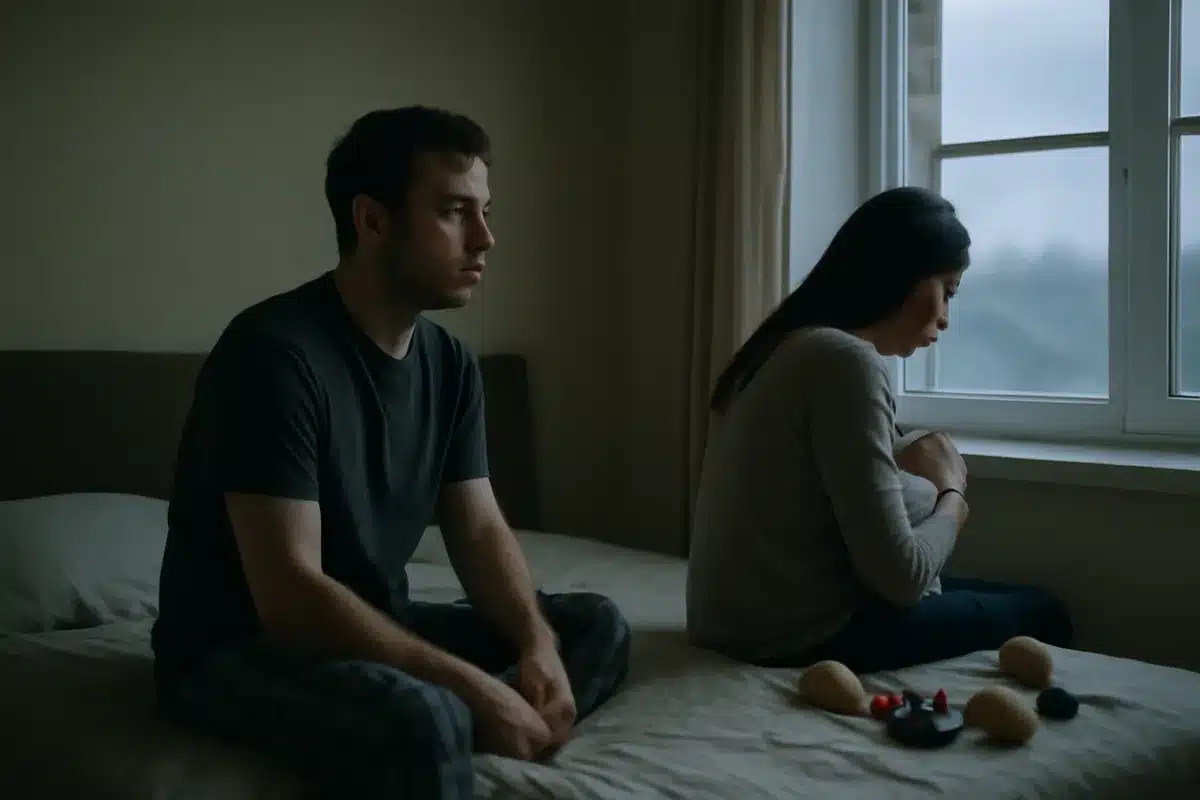
Is simply sharing a home, bills, and a bed enough to define a couple? Spanish psychologist Silvia Congost, an expert in romantic relationships and emotional dependency, disagrees. She believes that sexuality plays a crucial role in distinguishing a couple from merely roommates. She made a clear statement on the BBVA’s program Aprendemos Juntos: “There are couples who lack a sexual relationship. In my view, they aren’t really a couple; they’re roommates,” she explained.
This bold statement summarizes a concept that Congost has been developing for years: loving someone and being in a couple with them are not the same. Over time, a relationship can continue to operate almost mechanically. You do the grocery shopping. You make dinner. You take the kids to school. You pay off the mortgage. You watch a series before going to sleep. The routine continues. And precisely because it continues, it can be hard to realize that the romantic connection has transformed.
In her discussions about relationships, Silvia Congost encourages looking beyond this daily organization. Two people can be an effective team without necessarily being the couple they once were. The absence of sexuality then becomes one of the indicators of this transformation when it accompanies the disappearance of desire and intimacy. This, of course, doesn’t mean that couples need to reach a specific frequency of sexual activity to be considered “normal.” It’s more about examining what still genuinely connects the two partners. It’s possible to continue to love someone deeply even though the romantic relationship has faded, which complicates distinguishing between a couple and “roommates.”

There’s a danger in such situations: staying because you’ve grown accustomed to the other person. This issue ties into one of the central themes Congost addresses when discussing romantic relationships: emotional dependency. She explains that we can sometimes cling to a relationship even though it no longer makes us happy. Leaving means facing emptiness, loneliness, and change. This prospect can be daunting enough to keep some people in a relationship that no longer suits them. This is where, according to her, the danger of emotional dependency lies: confusing love with the need to stay with someone.

For Congost, a healthy relationship should not require one person to diminish themselves to keep their partner. Continuously accepting behaviors that cause pain, neglecting personal needs, or living in constant fear of losing the other are all signs that should prompt a reevaluation of the relationship. The issue is not just whether you love your partner; you need to consider what the relationship actually brings into your life. Can you be yourself? Are your needs being met? Do you still desire to share your life with this person?
Similar Posts
- How Often Happy Couples Really Have Sex Each Month, Stats Reveal
- 7 Signs You’re in a Placebo Relationship That Drains Rather Than Fulfills
- What is Demisexuality? Unveiling the Truth Behind the Term!
- Are You Having Enough Sex? Essential Insights for Couples
- Love or Dependency? How to Spot the Difference in Your Relationship!

Nora Caldwell brings over a decade of experience in entertainment journalism to the Belles and Gals team. With a background in celebrity interviews and TV critiques, Avery ensures that every story we publish is engaging and accurate. Passionate about pop culture, they lead our editorial team with creativity and precision.