He thought he was rescuing a sheep—but it turned out to be something else
This bizarre French customer habit is driving shop owners crazy
Couple therapist Maëlle Marchandon emphasizes that intimate issues are not insurmountable, but rather opportunities to reshape one’s personal life.
Erectile dysfunction can occur at any age, so there’s no need for panic or self-blame, whether it affects men or women. Such issues can lead to questions and discomfort within a relationship, which is entirely normal. The causes can be physiological, related to medication, or psychological. “If the issue is consistent across all situations, including masturbation, it might be medical,” states sexologist and couple therapist Maëlle Marchandon. If it only happens during intercourse, a psychological cause is more likely, especially anxiety in healthy young men. In every case, there is a solution.
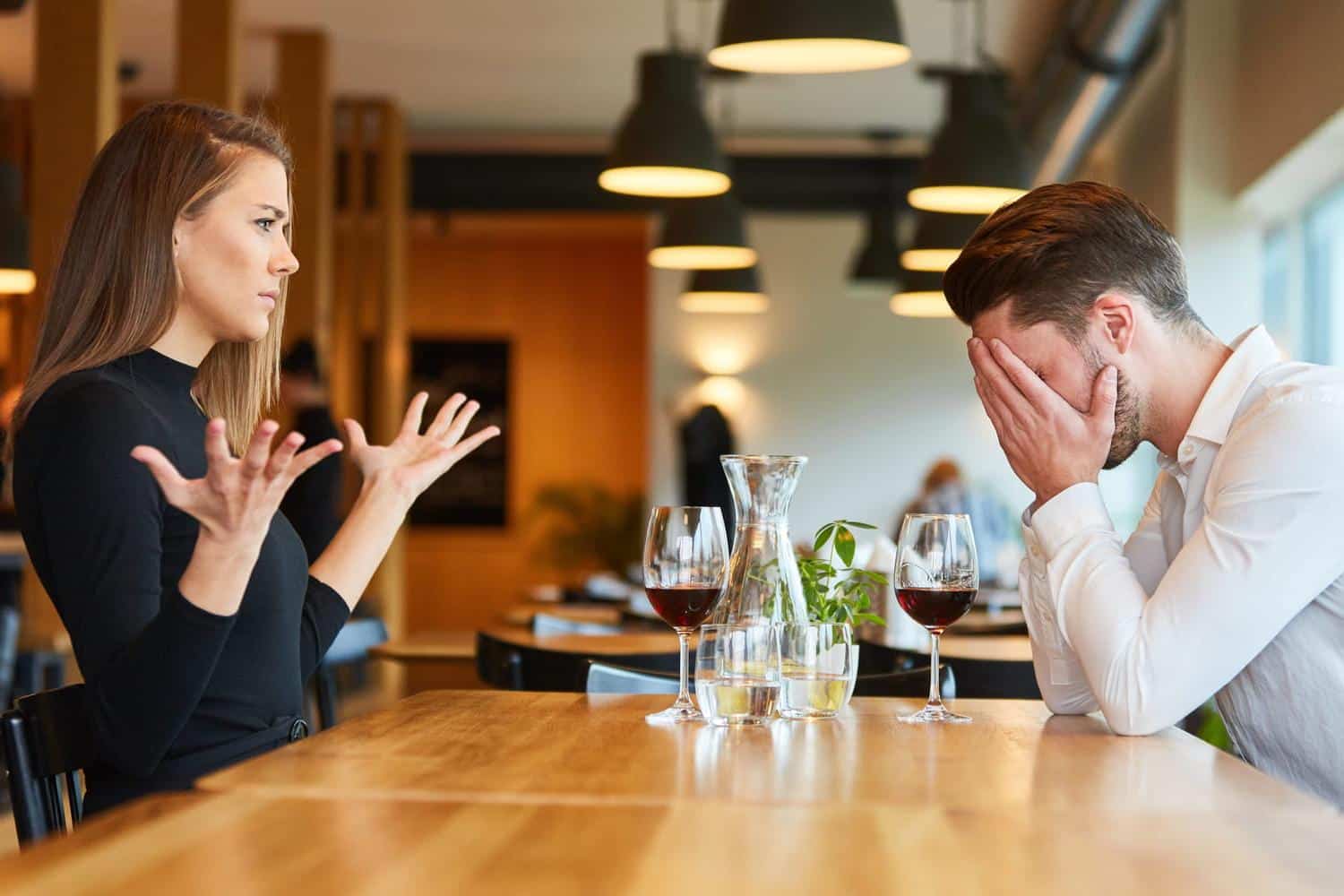
First and foremost, it’s crucial not to let discomfort fester but to initiate a conversation. Pretending nothing is wrong is not the answer, and it’s not anyone’s “fault.” “Erectile dysfunction can trigger insecurities in a partner. It’s vital to reassure them that it isn’t a lack of desire, that you find them beautiful, desirable, attractive,” Marchandon emphasizes. Men need to express their feelings openly. Similarly, women should engage in gentle, non-blaming dialogue: “She might simply ask: ‘What would make you feel good? Is there anything that would help you feel more comfortable?’” she advises. The goal isn’t to find a miraculous fix but to create a space of trust and listening.
Before trying to make love, remove any pressure surrounding intimacy. Begin by stepping away from the focus on performance and the obsession with achieving an erection. “I often advise my patients to explore forms of intimacy that don’t involve penetration. This helps maintain a connection while avoiding anxiety triggers,” the sexologist explains. It’s not about abstaining, but rather about doing things differently, exploring other paths to pleasure that are enjoyable and reduce anxiety. Each partner should consider what might help them reconnect: a romantic dinner at home, a bubble bath, relearning how to look at each other, touching slowly…
“An erection is not essential for sexual pleasure,” reminds Maëlle Marchandon. You can explore masturbation, erotic massages, or slow sex. If issues persist, it’s advisable to consult a doctor, as it could indicate a health problem. In cases of relational or emotional blockages, seeing a sexologist can be beneficial. “If you feel that communication has broken down, or if you’re caught in a vicious cycle—where one partner avoids intimacy and the other feels rejected, leading to tension—a third party can help,” Marchandon suggests. The sooner you address these issues, the easier it is to break out of these patterns. It’s important not to face these challenges alone.
Similar Posts
- Are You Having Enough Sex? Essential Insights for Couples
- Autosexuality: The Secret to Boosting Self-Esteem? Unveiling the Definition!
- Why It’s Harder to Orgasm with a Partner Than Alone – Unveiling the Mystery!
- How Your Body Transforms After Long-Term Abstinence: Real Changes in Men & Women!
- Women Embrace Masturbation for Mood Boosts: “It Helps When I’m Sad or Upset…”

Nora Caldwell brings over a decade of experience in entertainment journalism to the Belles and Gals team. With a background in celebrity interviews and TV critiques, Avery ensures that every story we publish is engaging and accurate. Passionate about pop culture, they lead our editorial team with creativity and precision.