He thought he was rescuing a sheep—but it turned out to be something else
This bizarre French customer habit is driving shop owners crazy
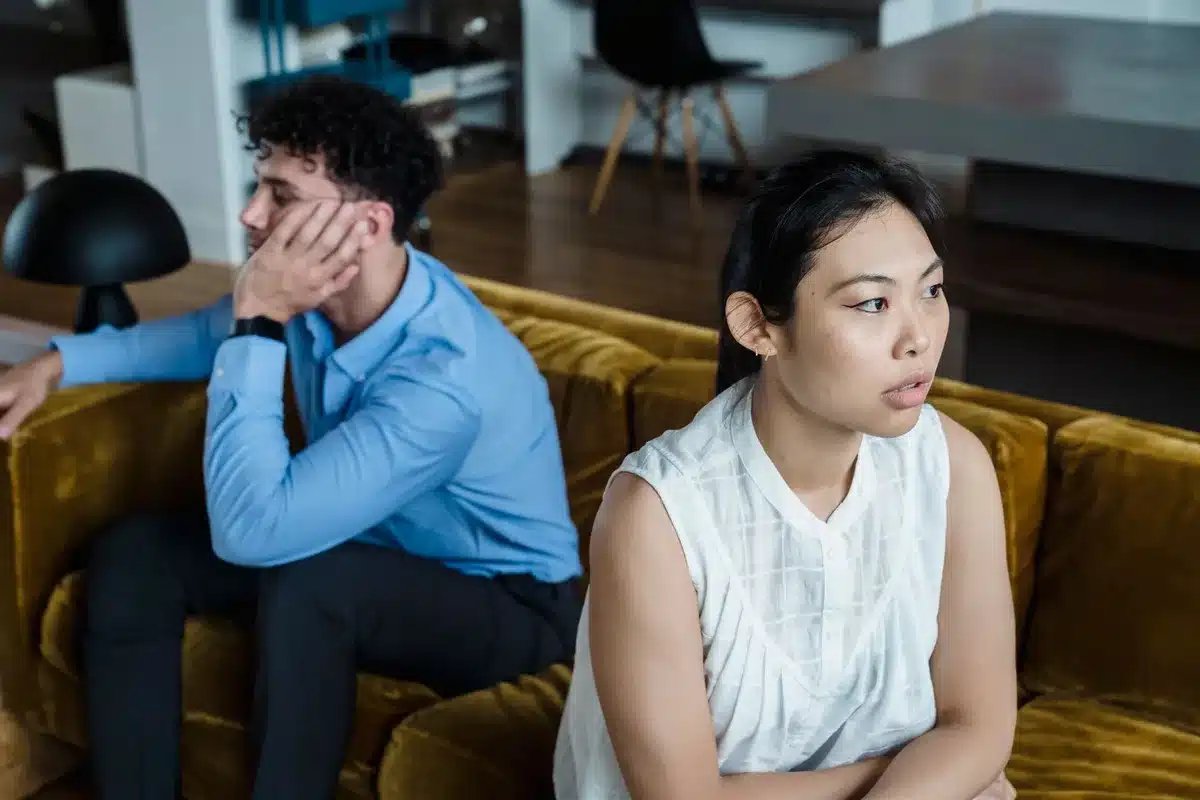
Venturing into a “serious” relationship often intimidates us. We’ve explored with Christophe Giraud, sociologist and author of “Realistic Love,” the reasons that sometimes hold us back at the threshold.
Fear of commitment is commonly attributed to men, but stereotypes are stubborn. Not all men are fearful, and women have their own apprehensions too. What lies behind this fear? Why do we hesitate to dive in, even when a relationship seems promising? Christophe Giraud, a sociologist, has recently released “Realistic Love” published by Armand Colin, which delves into how young women approach love today—with caution and without illusions. This investigation into why some fear commitment helps us better understand and accept our own hesitations.
Fear of Getting Hurt
“Falling in love is a risk“
Some have been hurt before; others haven’t. But the mere idea of ending up heartbroken is enough to deter many. Many women say they’d rather not risk falling in love, opening up, only to end up shattered and disappointed. “Love is a gamble, comments Christophe Giraud. Falling in love carries the risk of rejection from the partner, of wearing them out) and moving in together is also a risk (that it might not work out with the live-in partner).” Therefore, caution is advised before fully committing. To avoid soaring too high only to crash in pain, many prefer a gradual approach, a way to reassure themselves and tame their fears. If commitment is on the cards, it’s best to be sure it won’t lead to suffering. “Youth today want to be sure that feelings are mutual, so neither becomes too dependent on the other,” the expert continues. Recognizing that love can be reversible helps us realize that the outcome might not be what we expect, but it also provides an opportunity to take things slow and protect ourselves. And there’s nothing wrong with that.
We’ve Faced Too Many Failures
Whether we’ve been hurt or not, it’s clear that our past relationships often didn’t pan out. Why engage in something that might just end in another disappointment? “Failure leads to disillusionment as it prompts a critique of ideal love scenarios and stereotypes of what love is, making us more reflective in every new relationship,” observes the sociologist. The silver lining, however, is that deep down, we might think lifelong love is a myth, but we don’t dismiss the possibility that someday it could work. The desire to be part of a couple still appeals to us. We’re open to the idea but more cautious about perceived feelings and signs of affection, to avoid repeating past mistakes. Instead of dwelling on past failures and potential future letdowns, let’s focus on our deepest feelings, the dream of an ideal love that could lead us to new adventures.
Feeling Inadequate
For some, the fear of commitment stems from a lack of self-confidence. Feeling unworthy and incapable of making someone happy, we may think our relationship will be doomed from the start. We prefer to stay on the sidelines of the romantic world, where relationships form and dissolve. “In the dating market, some individuals have more or less ‘capital’ to offer. Some may feel preemptively rejected, discouraged, like the young farmers in Béarn that Pierre Bourdieu observed in ‘The Bachelors’ Ball’. But a long relationship ending or past failures can also lead to self-devaluation. Criticism from a partner affects us. Failure makes us question ourselves. People who experience repeated failures might indeed feel discouraged and doubt their ability to maintain a relationship,” analyzes Christophe Giraud. At this point, self-improvement can be beneficial. The goal: to regain confidence and dare to believe that we too can have a beautiful story. Unless a future encounter proves it.
Concerns About Losing Freedom
We prolong the beginning of our story before it settles into routine
Committing might mean having to explain if we come home late, keeping an apartment tidy, organizing our schedule, choosing someone “forever”… Is being in a relationship like a prison? “Life as a couple involves constraints, for both men and women. This can be felt by young adults who fear getting trapped too soon in a marital, family story, while they are encouraged to enjoy their youth,” explains the expert. So, we take our time, stretching out the early stages before settling under one roof, into a routine. This leads to more flexible, lighter relationships, similar to those some older individuals might experience after a divorce, for example, when they decide to take time to preserve their newfound independence. Maintaining independence while enjoying tender moments together is a new form of love, and nothing obliges us to exchange keys if happiness prefers having two bathrooms.
Overwhelmed by Choices
Today, with dating apps and countless potential matches each minute, it seems futile to make an effort with someone, to accommodate, to explore, since tomorrow might bring someone “perfect,” who might be a better fit. Yet, in this modern dating world, the problem isn’t so much the plethora of choices. According to Christophe Giraud, the real issue lies in ensuring that a new relationship starts on the same page for both partners. With apps making it easy to connect, it’s not easy to find lasting love. If we’re afraid to commit in case someone more fun is just around the corner, our fear also stems from the risk that the men we meet might only be interested in sex. Why open up if they might not call back tomorrow? It’s crucial to quickly discuss with online matches what we expect. We should express our values and share our vision of love.
Similar Posts
- Never Admits Mistakes? Here’s What You Can Do About It!
- Can a Relationship Thrive Without Saying “I Love You”?
- Why Men Hide Their Feelings More Than Women: The Surprising Reason Revealed!
- When Love is Unequal: The Major Relationship Red Flag You Can’t Ignore
- 7 Signs You’re in a Placebo Relationship That Drains Rather Than Fulfills

Nora Caldwell brings over a decade of experience in entertainment journalism to the Belles and Gals team. With a background in celebrity interviews and TV critiques, Avery ensures that every story we publish is engaging and accurate. Passionate about pop culture, they lead our editorial team with creativity and precision.