He thought he was rescuing a sheep—but it turned out to be something else
This bizarre French customer habit is driving shop owners crazy
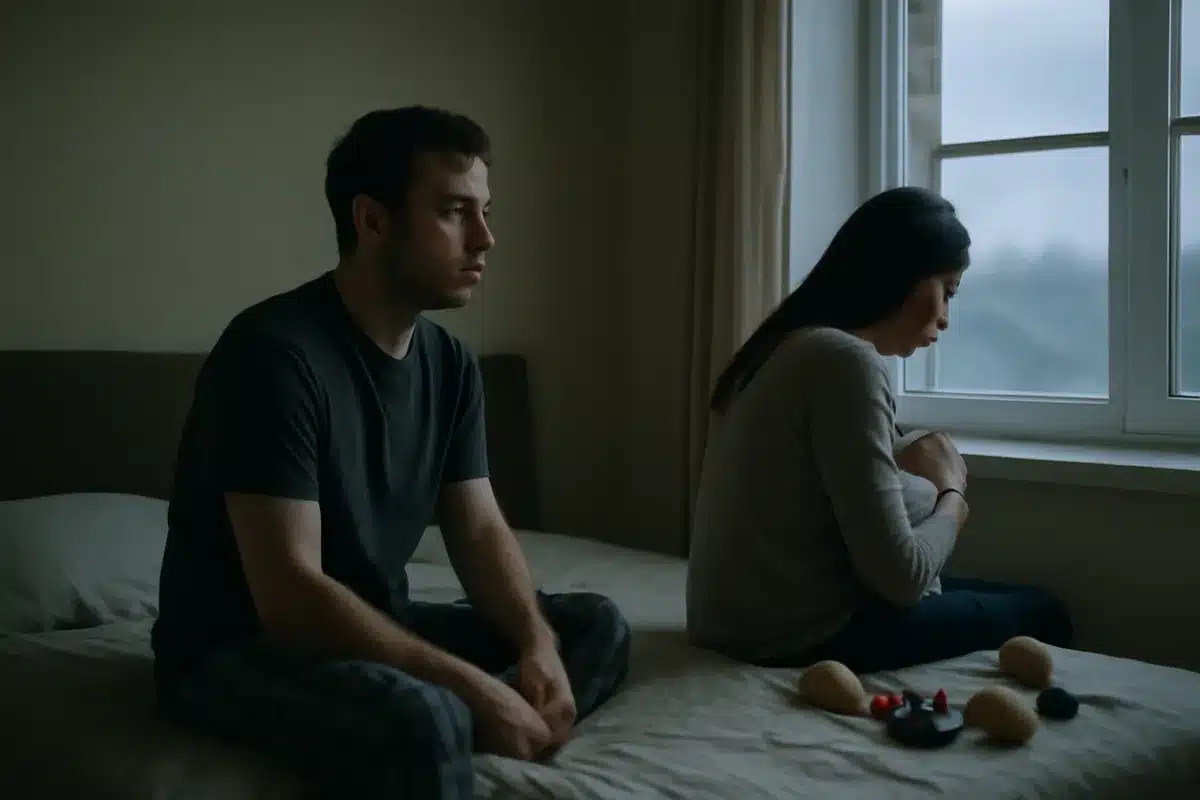
It may seem contradictory when couples who appear joyful together end up parting ways. What drives a seemingly happy couple to split?
From the outside, they looked like the perfect couple, yet they’re splitting up. This increasingly common paradox prompts us to explore the deep-seated reasons that can cause a happy couple to break up. Beyond what meets the eye, the causes are often more complex than mere arguments. Family and couples therapists Claire Bustarret and Karine Triot shed light on what really happens behind closed doors.
The first reason stems from societal expectations and the unrealistic demands they place on relationships. A major mistake in relationships, according to Claire Bustarret, is believing that “no one person can fulfill all roles” for another. “In a relationship, each partner is responsible for 50% of the dynamics, and no one can satisfy every need of their partner.” Karine Triot points out that while we are “naturally self-centered,” our consumerist culture amplifies this self-focus, expecting one’s partner to be “the lover, the romantic partner, the ideal father, even a substitute for one’s own father.” This pressure is compounded by normalized views on divorce where fighting for a relationship is “almost frowned upon.” Additionally, many people mistakenly assume that a relationship is secure without needing maintenance. “To sustain it, it’s crucial to invest in and nurture the romantic connection. Love is vital, but not enough to build a lasting relationship. Choosing to love is equally important,” they advise.
The second significant cause is rooted in our past: the unconscious mechanisms developed during childhood. “In a relationship, our partners mirror ourselves,” continues Claire Bustarret. “They reveal our defensive mechanisms, our fears, and unmet needs that stem from childhood.” For instance, to earn their parents’ love, one child might have become very outgoing, while another learned to be reserved and keep emotions to themselves. As adults, these conflicting patterns can lead to serious misunderstandings: “One might feel that their partner is not open or trusting, while the other feels overwhelmed by their partner’s emotional expressions.” Recognizing and understanding these dynamics is crucial, and if necessary, seeking professional help can be beneficial.
These deep-seated issues often lead to aggressive communication. Phrases starting with “you,” such as “you don’t understand,” “you never listen,” place blame on the other and exacerbate conflicts. The remedy lies in adopting compassionate communication, expressing personal feelings: “I feel hurt by your words,” “I feel disrespected,” “this scares me.” By focusing on expressing personal emotions rather than casting blame, the relationship can improve and even become a source of healing and growth. Separation isn’t the only resolution. Understanding the root of the problems and knowing how each can assist the other in comprehending the relationship’s dynamics is crucial. When difficulties persist, it’s better to address them early on rather than letting conflicts escalate and cause unnecessary pain. “It’s better to perform a few preventive maintenance checks than to have to fix a car that’s broken down,” Claire Bustarret metaphorically concludes.
Special thanks to Claire Bustarret and Karine Triot, family and couples therapists, members of the Coopleo platform.
Similar Posts
- 6 Signs They’re Just Not That Into You Anymore!
- 5 Words That Show He’s Checked Out of the Relationship: Many Women Miss These Signs
- Signs He’s Checked Out: Typical Phrases from a Disengaged Partner!
- How Often Happy Couples Really Have Sex Each Month, Stats Reveal
- Warning Signs: How to Tell If Someone is Using You, Not Valuing You Properly!

Nora Caldwell brings over a decade of experience in entertainment journalism to the Belles and Gals team. With a background in celebrity interviews and TV critiques, Avery ensures that every story we publish is engaging and accurate. Passionate about pop culture, they lead our editorial team with creativity and precision.