He thought he was rescuing a sheep—but it turned out to be something else
This bizarre French customer habit is driving shop owners crazy
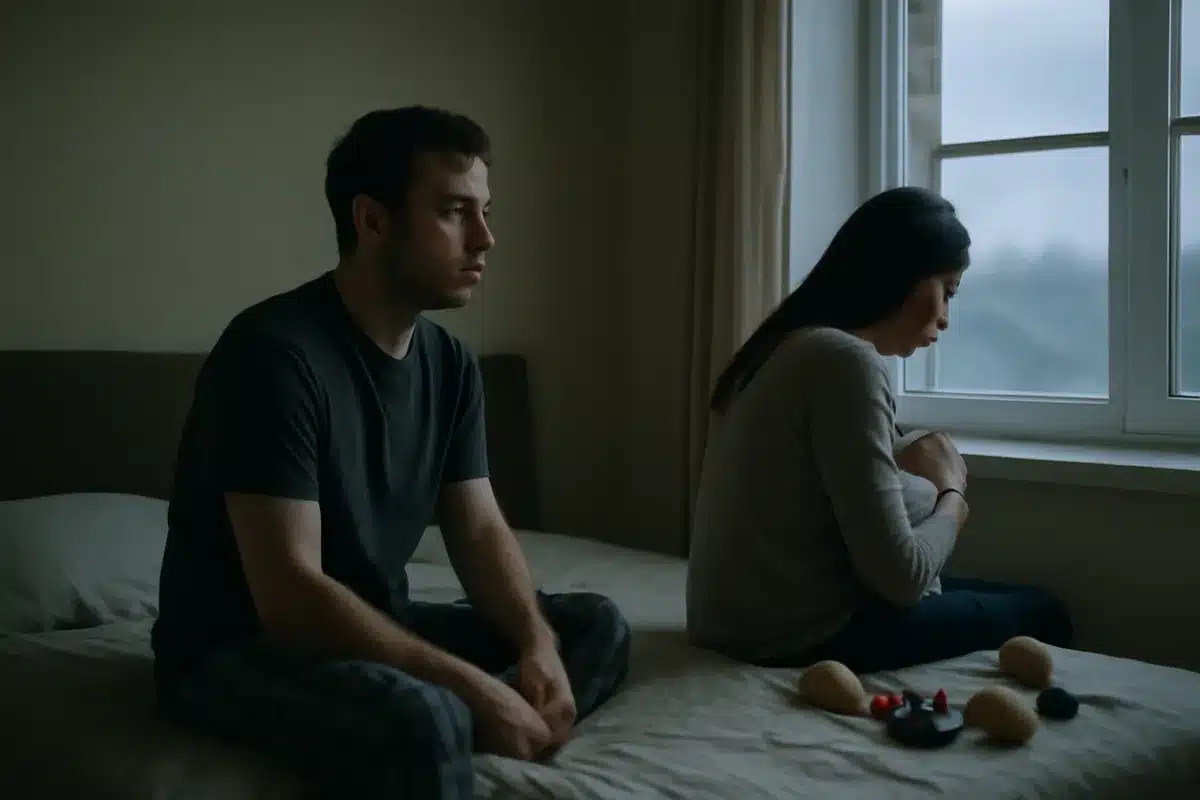
Even in troubled relationships, it’s essential to recognize when your partner is struggling. Certain changes in their behavior can indicate a withdrawal from the relationship, signaling underlying issues that need attention.
In a healthy relationship, both partners progress on their own paths, supported by one another. Moral support, presence, and kindness are crucial for thriving together without stepping on each other’s toes. However, sometimes, an odd atmosphere can develop unnoticed. It’s as if one partner begins to undermine the relationship and its future, not out of malice, but due to their own suffering. Couple therapist Raphaëlle Giacomini-Agostini suggests that such behavior may reveal deep-seated distress, mixed with fear, insecurity, or even hidden resentment. “The issue often starts on a personal level, showing signs of emotional insecurity, fear of abandonment, narcissistic vulnerability, insecure attachment, jealousy, envy, pride… There are many reasons,” she states.
Rather than expressing this discomfort verbally, the person may engage in “dysfunctional, even childish” behavior, subconsciously trying to slow down their partner to feel more secure. This person doesn’t communicate their needs directly but through acts of sabotage or veiled criticism. Emotional sabotage doesn’t always manifest as explicitly as “I don’t want you to succeed.” It often appears more subtly and insidiously. “It starts with snide remarks, demeaning comments, or tactics like neglecting childcare duties or homework during the partner’s absence to increase their burden,” the expert explains. The emergence of demeaning remarks and frequent subtle jabs are clear signs of unhappiness in the relationship. Sometimes, the partner even organizes unexpected weekends or outings, knowing it will disrupt the other’s schedule, leaving the one trying to pursue a project feeling hindered, discouraged, and guilty for wanting “too much.”
This situation isn’t just about a couple’s conflict. “The problem doesn’t stem from the dynamics between the two partners, but from one partner’s difficulty in seeing the other advance and succeed in their endeavors,” clarifies the therapist. If your partner is holding you back, the issue likely isn’t you, but what your success triggers in them. This could revive old wounds: a childhood with little affirmation, painful comparisons with a sibling, or poorly digested professional failures, all of which can weaken self-esteem and feed bitterness or fear of feeling inferior.
Women Often Provide More Support to Men
In heterosexual relationships, this type of sabotage is not equally distributed. “Overall, women tend to support their partners’ projects more,” observes Raphaëlle Giacomini-Agostini. Conversely, when a woman begins to soar, some men may feel threatened in their role. “There’s still a significant factor related to women’s place in the workforce, their emancipation, and some men’s fear of losing a dominant role. It’s also sometimes an unconscious stance, ingrained in transgenerational patterns and societal norms,” the professional recalls.
If you feel your partner is holding you back, dare to ask why. “Unless they’re being dishonest, they might respond with reasons like: Because you’re not here, Because you’re succeeding and I’m not, or Because I’m afraid of feeling inferior if you succeed,” she explains. Identifying the issue verbally is a crucial first step. If your partner is willing to talk and acknowledges their part in the distress, a genuine dialogue can begin. However, if self-reflection is off the table and the sabotage persists, it might be time to reflect: in this relationship, am I free to move forward? Or must I constantly slow down to avoid losing my partner?
Similar Posts
- Love or Dependency? How to Spot the Difference in Your Relationship!
- What Does Fear of Abandonment in Love Really Tell Us? Uncover the Truth!
- How TikTok Is Secretly Ruining Your Love Life – Find Out Now!
- Boost Your Confidence: Essential Tips for Asserting Yourself in a Relationship!
- Warning Signs: How to Tell If Someone is Using You, Not Valuing You Properly!

Nora Caldwell brings over a decade of experience in entertainment journalism to the Belles and Gals team. With a background in celebrity interviews and TV critiques, Avery ensures that every story we publish is engaging and accurate. Passionate about pop culture, they lead our editorial team with creativity and precision.